

After a Collision: Repairing an Electric Car and Handling the Insurance Claim in the UAE
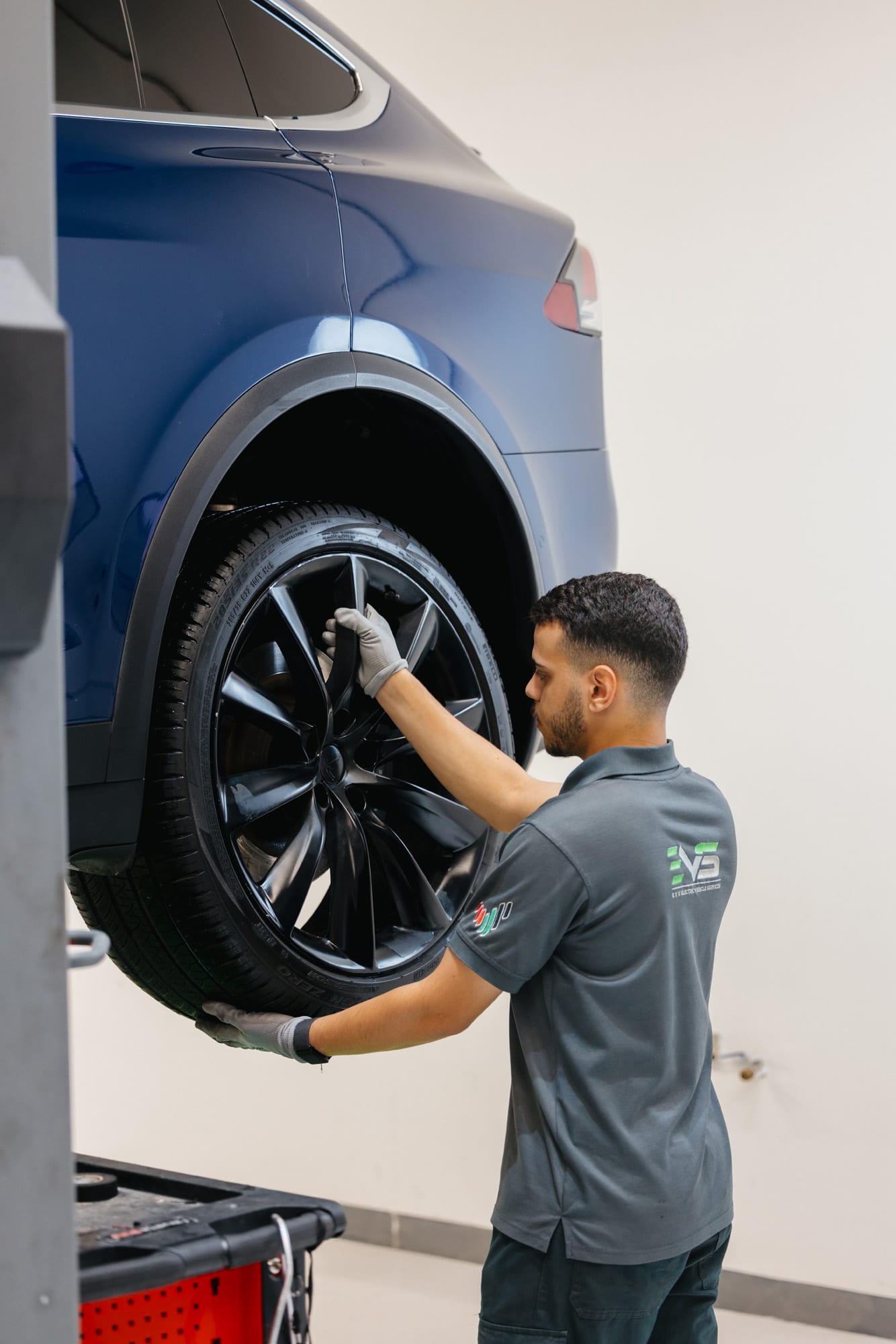
After a Collision: Repairing an Electric Car and Handling the Insurance Claim in the UAE
A collision can leave any driver feeling unsettled, but when it involves an EV, the next steps matter even more. If you are dealing with electric car accident repair UAE concerns, the safest approach is to slow down, document the damage, and make sure the vehicle is assessed by a specialist who understands high-voltage systems, sensors, software, and structural repair.
In the UAE, EV ownership is growing quickly, which means more drivers are discovering that an electric vehicle is not simply a petrol car with a battery. Even a minor knock can affect systems that are hidden from view, including safety circuits, battery protection components, cameras, parking sensors, and the structure that supports them. That is why repair decisions should begin with a specialist inspection, not assumptions based on how small the impact looks from the outside.
At EVS, the focus is on performance, trust and total care. For post-collision EV work, that means combining technical diagnosis with clear communication, proper documentation for insurance, and specialist repair planning that respects both vehicle safety and manufacturer systems.
Start with safety, not just visible damage
After a collision, the first priority is always safety. If there is smoke, warning messages, fluid leakage, a damaged charging port area, or any sign that the battery pack or high-voltage components may have been affected, do not assume the car is safe to drive. An EV can appear cosmetically fine while still carrying electrical or structural risk underneath.
Even a light impact may disturb wiring, sensors, mounting points, cooling lines, or underbody protection around sensitive components. In some cases, the vehicle may still move, but that does not mean it is ready for regular use. A specialist should confirm whether the high-voltage system is isolated, whether any safety faults are stored, and whether the car can be handled without increasing the risk of further damage.
It is also wise to keep your own records before any repair begins. Take photographs of the vehicle from multiple angles, the road position if safe to do so, the surrounding area, and any dashboard messages. If another party is involved, note the time, location, and any details required by your insurer or local authorities.
Why a high-voltage safety check is essential after a minor knock
One of the biggest misconceptions about EV repairs is that only major accidents can affect the battery system. In reality, a smaller impact can still create issues that need specialist attention. The battery pack, inverter, drive unit, power distribution unit, control modules, and low-voltage systems all depend on correct communication and physical protection.
A specialist high-voltage safety check is designed to identify damage or risk that may not be visible during a normal body inspection. That can include insulation faults, compromised connectors, damaged harnesses, sensor errors, cooling issues, or evidence that a component has shifted out of alignment.
This matters because EV safety is not just about whether the car starts. It is about whether the entire electrical system is operating correctly and safely after impact. In many cases, the first step in electric car accident repair UAE is not panel replacement, but proper diagnosis.
A responsible post-collision EV assessment may look at:
- whether the high-voltage system has triggered protection logic
- whether the battery enclosure or its mounts show signs of impact
- whether there are communication faults between modules
- whether low-voltage systems or warning circuits have been affected
- whether cooling, charging, or drive functions are behaving normally
This is why a specialist EV centre is important. A general garage may be able to identify visible body damage, but it may not have the EV-specific procedures, diagnostic tools, or high-voltage expertise needed to assess the hidden systems properly.
What a damage estimate should include
A proper damage estimate does more than list obvious dents or scratches. It should create a clear picture of the full repair scope, including what can be seen immediately and what must be checked before the final repair plan is confirmed.
At EVS, damage estimation is a structured process intended to support both the owner and the insurance process. The estimate typically helps identify the likely repair categories, whether the work involves mechanical systems, body repair, electronic calibration, or a combination of all three.
A strong EV damage estimate may cover:
- visual inspection of panels, bumpers, wheels, lights, mirrors, and glass
- structural checks if the impact may have affected alignment
- EV-specific electrical and safety assessment
- evaluation of sensors, cameras, and driver-assistance systems
- likely repair or replacement items
- supporting notes for insurance documentation
The estimate is important because collision repair on an EV can involve more than one specialist task. For example, replacing a bumper may also require sensor realignment. A damaged panel may also affect a camera or a radar-related function. A thorough estimate helps prevent incomplete repairs and reduces the chance of missing hidden damage.
Structural alignment and panel repair: why precision matters
If the impact has affected the body shape, chassis alignment, or panel fit, structural repair becomes a critical stage. EVs often carry heavy battery systems, and their structure is engineered to protect that weight and the occupants inside. Even a seemingly simple impact can affect alignment or create stress in areas that matter for handling and safety.
Structural body alignment is not just about making the car look straight. It is about measuring the vehicle accurately, identifying misalignment, and restoring the body structure as closely as possible to the intended geometry. If the structure is off, you may later notice uneven tyre wear, pulling, poor handling, door fit issues, or inconsistent panel gaps.
Panel work is usually the visible side of repair, but it still requires precision. Proper body repair should preserve fit and finish, support sensor installation, and ensure that replacement parts sit correctly with surrounding components. On modern EVs, a badly fitted panel can affect more than appearance; it can also interfere with cameras, lighting, airflow, and safety systems.
A careful repair process often involves:
- measuring the structure before and after correction
- confirming whether damaged panels can be repaired or need replacement
- checking mounting points, brackets, and adjacent components
- ensuring the repaired area does not interfere with sensors or wiring
- verifying fit, finish, and functionality after assembly
For EV owners, this is one reason to choose a service centre that understands both bodywork and EV systems. The best result comes from coordinating the repair plan rather than treating the damage as a purely cosmetic issue.
Recalibrating sensors and cameras after body repair
Many EVs rely on cameras, parking sensors, and driver-assistance systems that are sensitive to position and angle. After a collision, and especially after bumper, glass, mirror, or panel repairs, these systems may need recalibration or realignment.
This is a step owners sometimes overlook because the car may appear to drive normally. However, a sensor that is slightly misaligned can give inaccurate readings, and a camera that is not properly calibrated can affect visibility or system performance. If the vehicle uses supported driver-assistance features, the correct calibration process is even more important.
Sensor and camera realignment can be needed after:
- bumper replacement or repair
- windshield replacement
- mirror replacement
- structural alignment work
- collision damage near camera or radar mounting points
- suspension or wheel alignment changes that affect system geometry
The key point is that body repair and electronic calibration should be coordinated. It is not enough to replace a damaged component and send the vehicle out the door. The systems around it need to be checked so the vehicle can operate safely and predictably.
In a specialist EV workshop, this may include calibration equipment, fault code checking, and post-repair verification. That helps ensure the vehicle is ready not just to look repaired, but to function properly again.
How insurance claim processing usually works in the UAE
After an accident, many owners want to know how to move from inspection to claim without creating extra stress. The exact process depends on your insurer, policy, and the rules applicable in your situation, so always check your own policy wording and follow local requirements. That said, the general flow is usually straightforward once you have the right documents.
The process often begins with the accident report and your insurer’s instructions. From there, the vehicle may need an estimate or inspection before the claim can be reviewed. Once the claim is accepted, the repair plan can move forward based on the approved scope.
This is where a specialist centre can help reduce confusion. EVS supports damage estimation, documentation preparation, submission coordination, and follow-up with the insurer where the arrangement allows it. The goal is to keep the paperwork organised so the technical repair work can proceed on a clear basis.
Important reminders for owners include:
- keep copies of all photos and reports
- do not authorise repairs until the insurer’s process is clear
- confirm whether any extra inspection is required
- ask whether the repair centre needs specific documents from you
- check whether direct billing is available under your policy arrangement
Because each claim is different, it is best to treat the insurer’s approval as the deciding step before major work begins.
What direct billing means, and when it may help
Direct billing can make the claims process simpler after a collision. In a participating arrangement, the repair centre coordinates billing directly with the insurer after claim approval, which can reduce paperwork for the customer and simplify payment handling.
This does not mean every repair automatically qualifies, and it does not replace the insurer’s own approval process. It simply helps streamline the administrative side once the repair has been authorised and the arrangement is available.
For owners, the advantage is clarity. Instead of managing every document and payment detail alone, the repair centre and insurer can coordinate the approved billing steps. That can be especially useful when the repair involves a mix of bodywork, diagnostics, alignment, and calibration.
At EVS, direct billing support is available where participating insurer arrangements exist. As always, the best approach is to confirm the details for your specific claim, policy, and branch location before assuming coverage or billing method.
Why specialist EV repair is different from general body repair
A collision repair on an EV is rarely just a paint or panel job. The vehicle’s architecture, electronics, battery protection, and software-dependent systems all need to be considered. That is why a specialist EV centre brings value beyond standard body repair.
A general garage may handle surface damage well, but specialist EV care adds the technical depth required for modern electric vehicles. That includes advanced diagnostics, high-voltage awareness, module communication checks, battery-related assessment, and proper post-repair validation.
This is especially important in the UAE, where heat, daily driving conditions, and long commutes can make battery health, cooling systems, and component calibration more relevant after repair. A good repair plan should take the local environment into account, not just the accident itself.
EVS combines specialist EV expertise with an established multi-location regional presence, helping owners access a broader range of repair and support services under one roof. That matters when the vehicle needs more than one type of work and the owner wants a coordinated path from inspection to repair.
Practical steps to take after a collision
If you are facing electric car accident repair UAE decisions, the best next steps are practical and calm. You do not need to solve everything at once. Instead, work through the process in order.
A sensible post-collision checklist looks like this:
- Ensure everyone’s safety and follow any required reporting steps.
- Avoid driving the vehicle if there are warning lights, smoke, leakage, or abnormal noises.
- Photograph the damage from multiple angles.
- Gather your report, policy details, and claim information.
- Arrange a specialist EV inspection and damage estimate.
- Confirm whether high-voltage, structural, body, or calibration work is needed.
- Check insurer approval before authorising major repairs.
- Ask whether direct billing is available through your claim arrangement.
Taking these steps in order helps reduce avoidable complications. It also gives the repair centre the information needed to prepare an accurate plan.
Why prevention and documentation still matter after the repair
Once the repair is complete, it is worth keeping a record of what was done. Save the estimate, repair notes, invoice documents, and any calibration or inspection records you receive. If you later notice a warning message, vibration, or a feature that does not seem to work as expected, those documents make follow-up easier.
This is especially helpful with EVs because multiple systems can interact after a collision repair. A future issue may not always be caused by the same part of the vehicle that was visibly damaged. Good documentation helps create continuity in case a follow-up check is needed.
It is also sensible to stay in touch with your insurer and read your policy carefully for any future claims. Rules can differ, and your responsibilities after an accident may be affected by the wording in your own cover.
FAQ
Do I need a specialist for an EV after a minor accident?
Yes, it is strongly recommended. Even a minor collision can affect high-voltage components, safety circuits, sensors, or structural points that are not visible from the outside. A specialist can check whether the EV is safe and whether any hidden systems need attention before the vehicle returns to regular use.
What does a damage estimate include for an electric car?
A damage estimate should cover visible body damage, possible structural issues, EV-specific electrical checks, and any likely sensor or calibration work. It should also help identify whether further inspection is needed before the final repair scope is confirmed. For insurance purposes, it creates a clearer record of the work that may be required.
Can a bumper or panel repair affect my sensors and cameras?
Yes. Modern EVs often have sensors, cameras, and related systems mounted in or near bumpers, mirrors, and panels. If those parts are removed, repaired, or replaced, calibration or realignment may be necessary to restore proper function.
How does direct billing work with insurance?
Direct billing is a process where the repair centre coordinates approved billing directly with the insurer, if a participating arrangement exists. It can reduce paperwork for the customer after claim approval, but it does not replace the insurer’s own authorisation process. Always confirm whether your specific policy and repair arrangement support it.
Should I drive my EV if it still seems to work after a collision?
Not unless you are sure it is safe and you have had it checked. An EV can drive normally while still carrying hidden damage, particularly around the battery system, safety circuits, or alignment-sensitive components. If there are warning messages, unusual noises, or signs of impact near the underbody or charging area, a specialist inspection should come first.
Speak to EVS for specialist post-collision EV care
If you need help with electric car accident repair UAE services, EVS can support the process from inspection and damage estimation through to structural repair, calibration, and insurance claim coordination where applicable. For owners who want a specialist, reliable approach to EV collision work, the next step is simple: Book Your EV Check.
Visit the relevant service pages and contact EVS here: https://evsuae.com/contact
For more information on services and support, you can also explore: https://evsuae.com/