

Challenges in Insuring Electric Vehicles in 2025 | EV Insurance UAE
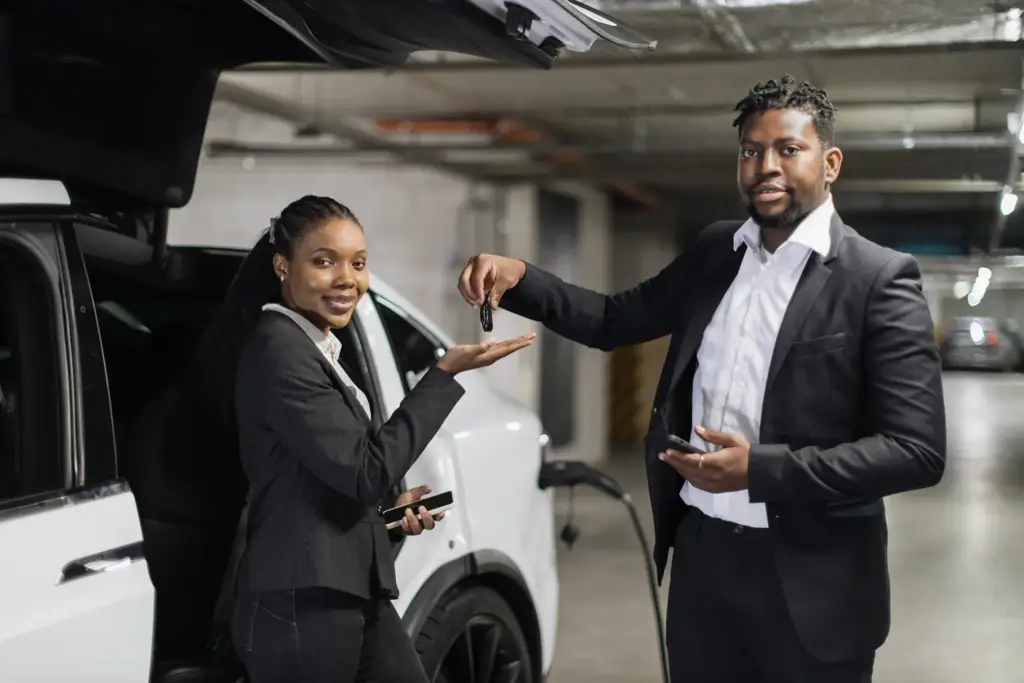
As electric vehicles (EVs) gain momentum across the UAE, insurers and clients face a rapidly changing landscape. While EVs promise a cleaner, smarter future, they also introduce complexities that traditional auto insurance models were not designed to handle. From battery-specific risks to premium pricing complications, understanding these challenges is vital for both policy providers and EV owners in 2025.
Why EV Insurance Differs from Traditional Auto Policies
Electric vehicles are not just cars with different engines. They represent a complete shift in automotive technology and risk profiles.
Battery Costs and Specialized Repair Requirements
Batteries are the most valuable and vulnerable component of an EV. A damaged battery can cost tens of thousands of dirhams to replace, often making minor collisions more expensive than with fuel-powered cars. Additionally, few repair shops in the UAE are fully equipped to handle EV-specific repairs, increasing dependency on specialized services.
High-Tech Features and Diagnostic Complexity
EVs rely heavily on software and sensors for core functions like braking, navigation, and charging. This sophistication makes diagnosing and repairing issues more time-consuming and costly. Insurers must consider these factors when determining policy terms and repair networks.
Common Coverage Gaps in the UAE EV Market
Many UAE insurers are still adapting their policies to accommodate the unique risks associated with EV ownership.
Undefined Policy Terms for Battery Failures
Traditional auto insurance often excludes coverage for gradual battery degradation or manufacturer defects. Clients may find themselves without coverage if the battery fails outside of warranty. This presents a major financial risk.
Delayed Claims Due to Limited EV Expertise
With a shortage of adjusters and mechanics trained in EV systems, claims processing can be significantly slower. Clients may face delays in repairs, replacements, and approvals due to the industry's learning curve.
Understanding EV Insurance Premiums
Unlike fuel vehicles, EVs introduce new variables that complicate premium calculations.
Influence of Vehicle Range, Tech, and Brand
High-end EVs from brands like Tesla or Porsche have different risk and repair profiles than more affordable models. Range capabilities, autonomous features, and charging infrastructure also affect the potential cost to insurers.
Telematics and Usage-Based Insurance Models
EVs often come equipped with advanced telematics, making usage-based insurance a growing trend. While this can reward safe drivers with lower premiums, it also raises data privacy and accuracy concerns that insurers must address.
UAE-Specific Risks and Infrastructure Gaps
Operating an EV in the UAE comes with distinct challenges that influence insurance dynamics.
Charging Station Accessibility and Fire Risks
Limited charging infrastructure in certain areas can increase the likelihood of range anxiety and emergency breakdowns. Moreover, improper charging practices or faulty stations can lead to fire risks, an emerging concern for underwriters.
Climate Considerations and Electrical Component Wear
Extreme heat can degrade battery life and impact the performance of electrical systems. Insurers need to account for these environmental factors when assessing coverage terms and repair warranties.
Bridging the Gap: How Providers Can Support EV Clients
As the EV market expands, insurance providers have a unique opportunity to lead with innovation and client education.
Need for Specialized Underwriting Teams
Insurers must invest in dedicated EV underwriting teams to better evaluate risk profiles and tailor products to different segments of the EV market. This includes offering flexible terms and transparent exclusions.
Importance of Real-Time EV Risk Data
Leveraging real-time diagnostics and usage data can help insurers offer more personalized coverage and reduce claim disputes. This data-centric approach ensures both profitability and client satisfaction.
Final Thoughts: Building Confidence in EV Insurance
Electric vehicles are no longer the future. They are the present. As adoption accelerates in the UAE, insurers must rise to the occasion by modernizing their offerings and educating their clients. By addressing these challenges directly, providers can build trust and foster long-term relationships in a tech-driven market.
FAQs About EV Insurance in the UAE
Yes. Due to higher repair costs and battery-related risks, premiums are often higher, especially for newer or luxury models.
Not always. Coverage depends on the insurer. Battery failure due to wear and tear or defects may be excluded unless explicitly stated.
Yes. However, premiums and policy conditions may vary based on battery condition, age, and mileage.
Consider usage-based insurance, maintain a clean driving record, and compare quotes from providers specializing in EV coverage.