

How EV Diagnostics and Mechanical Checkups Differ in 2025
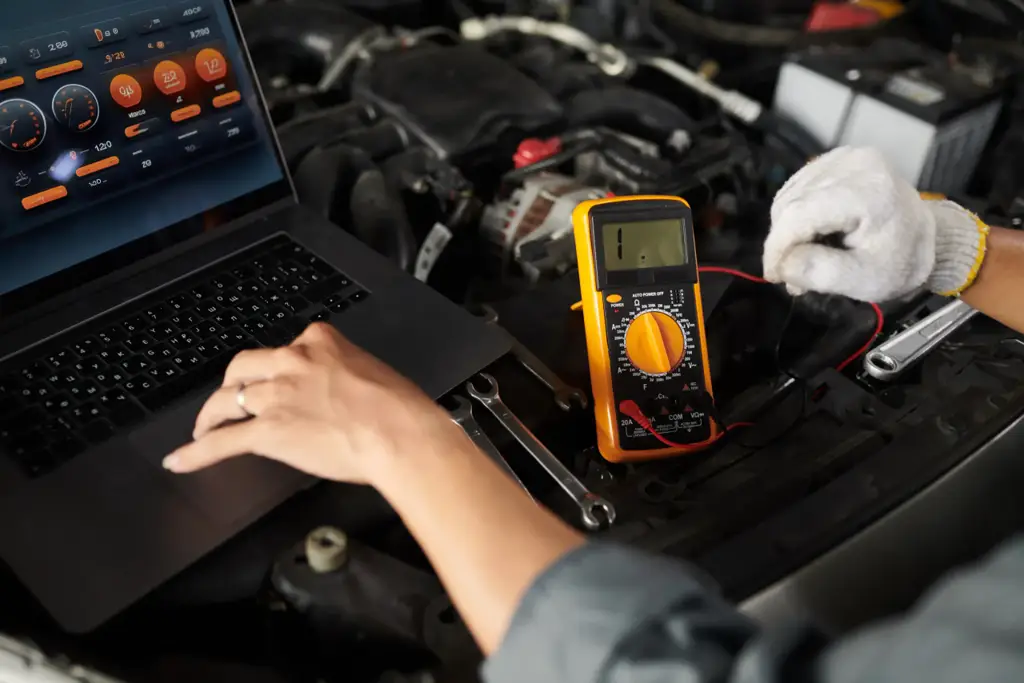
Electric vehicles are revolutionizing the automotive landscape, and with this shift comes a fundamental change in how vehicles are serviced. Unlike petrol or diesel cars, EVs rely on electric motors, software systems, and battery packs, all of which require a different approach to diagnostics and mechanical checkups. Understanding these differences is essential for UAE drivers who want to maintain performance, safety, and value.
Why Electric Vehicles Require a New Approach to Maintenance
Traditional vehicles operate with thousands of interconnected mechanical parts. EVs, by contrast, feature a streamlined build focused on electronics and energy management.
Fewer Moving Parts, More Electronic Systems
EVs lack components like timing belts, exhaust systems, and complex transmission assemblies. This means fewer mechanical failures. However, they rely heavily on high-voltage electronics, thermal management systems, and sensors, which require electronic diagnostics rather than physical inspections.
Emphasis on Software and Battery Monitoring
Software plays a central role in EV operation. From charging algorithms to driving modes, diagnostics must assess not just hardware but also firmware and software updates. Battery health monitoring is also critical, as degradation affects both range and resale value.
Core Differences Between EV and Fuel Vehicle Diagnostics
A service appointment for an electric vehicle looks very different from what drivers of traditional cars may expect.
Use of Onboard Computer Systems
Most EVs come equipped with an advanced onboard diagnostics interface. These systems allow technicians to scan for errors in drive units, inverters, and thermal systems. The scan provides insight into performance issues before symptoms arise.
Importance of Real-Time Data and Remote Monitoring
Some electric vehicles transmit diagnostics data directly to service centers. This allows for remote issue detection and even predictive maintenance. In the UAE, where temperatures and driving conditions vary, this real-time visibility is essential for early intervention.
What Happens During an EV Mechanical Checkup
While EVs need fewer traditional mechanical services, checkups remain essential for safety and longevity.
Battery Health Analysis and Voltage Testing
Battery inspection involves more than checking the charge level. Technicians assess internal resistance, cell balance, and overall voltage consistency. These factors influence vehicle efficiency and signal when replacement or recalibration may be needed.
Regenerative Braking and Suspension Checks
Since EVs use regenerative braking, brake pads wear differently and may last longer. However, technicians still check for hydraulic issues, suspension integrity, and alignment to ensure a smooth and safe ride.
Tools and Technologies Used in EV Service Centers
Servicing EVs requires specialized environments and trained personnel.
Specialized Diagnostic Software and Equipment
From proprietary scan tools to high-voltage safety devices, EV servicing requires modern diagnostic platforms. These tools interface directly with the vehicle’s software systems to interpret fault codes and update firmware.
Technician Training and Safety Protocols
Working on EVs involves risks such as electrical shocks and battery fires. Certified technicians follow strict protocols for power isolation, grounding, and tool insulation. In the UAE, certified EV service centers are becoming more common to meet growing demand.
Benefits of Routine Diagnostics for EV Owners in the UAE
With proactive maintenance, EV owners can prevent costly repairs and optimize performance. Regular diagnostics not only protect your investment but also improve the overall driving experience.
Early Detection of Component Wear
Routine diagnostics can detect early signs of wear in components like the battery cooling system or power inverter. Addressing these issues early reduces the chance of major failures or downtime. At EVS UAE, our advanced diagnostic systems and trained specialists ensure even minor faults are identified before they escalate.
Improved Range, Efficiency, and Battery Life
A well-maintained EV runs more efficiently. Ensuring optimal battery temperature, tire alignment, and software calibration all contribute to maximizing driving range and extending battery lifespan. EVS UAE uses real-time analytics and manufacturer-approved tools to help clients get the most out of their electric vehicles.
Final Thoughts: Adapting to the New Age of Vehicle Maintenance
Electric vehicles require a mindset shift. While they may demand less frequent service, the nature of diagnostics is far more technical and software-driven. UAE drivers should ensure their service provider is fully equipped and trained in EV systems. Regular diagnostics and checkups are essential to safe, reliable, and efficient EV ownership.
FAQs on EV Diagnostics and Checkups in 2025
At least once every 12 months or as recommended by your manufacturer. More frequent checks may be needed in high-temperature climates like the UAE.
Typically yes. EVs have fewer wear-and-tear components, but battery diagnostics and software updates may add to the cost depending on the provider.
No. EVs require technicians certified in high-voltage systems and EV software diagnostics. Always choose a certified EV service center.
Battery health monitoring is the top priority, followed by system scans for the inverter, charger, and onboard computer.