

Scratch, Dent, and Paint Refinishing Tips for EV Owners | EVS UAE
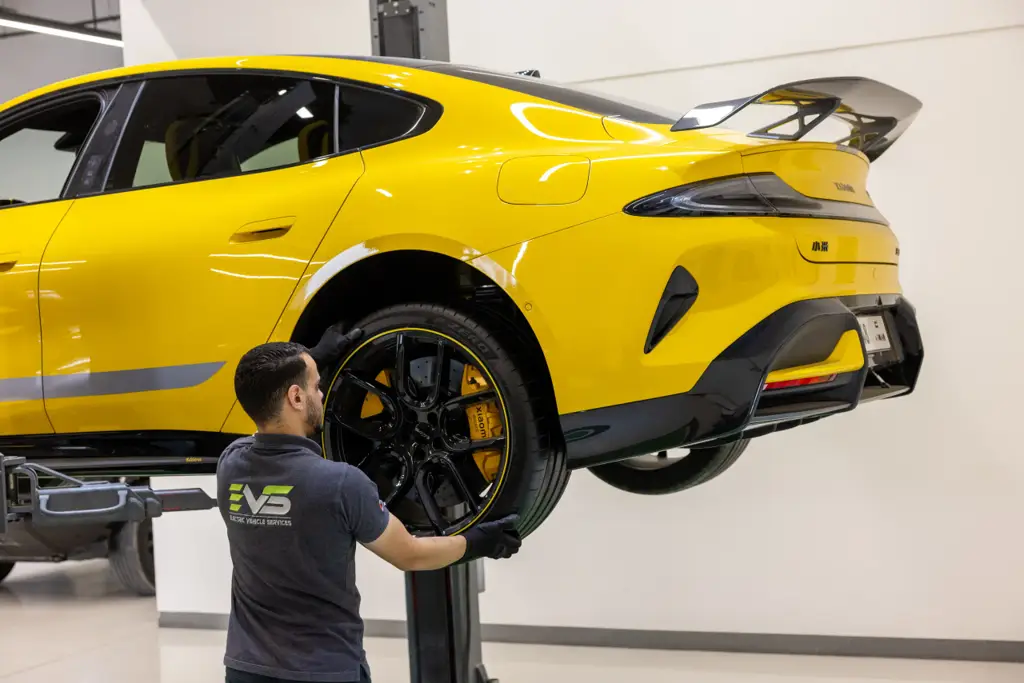
Electric vehicles are admired not only for their performance and sustainability but also for their sleek, modern exteriors. However, everyday use inevitably leads to minor scratches, dents, and paint imperfections. Proper care and timely refinishing are essential to preserve both appearance and value. Whether you are tackling cosmetic fixes at home or opting for professional services, the right approach helps your EV maintain its showroom shine.
In this article, we explore why exterior care is essential for your EV, common causes of cosmetic damage, and the most effective repair techniques for scratches, dents, and paint refinishing.
Why Exterior Care Matters for EV Longevity
Your EV’s bodywork plays a critical role beyond aesthetics. Chips, scratches, and dents can expose metal panels or composites to the elements, accelerating corrosion and reducing resale value. For EVs, where aluminum and specialty materials are often used to reduce weight, surface damage can also compromise structural efficiency. Maintaining the exterior protects your investment and ensures your EV continues to look and perform at its best.
Common Causes of Scratches and Dents in EVs
EV owners often experience damage from parking lot incidents, falling debris, or roadside grit. Automatic charging station arms, curbside brush-ins, and narrow urban spaces are frequent culprits. Additionally, newer paint materials used in EVs—often water-based or eco-friendly—may be slightly more vulnerable to surface damage. Identifying the most common risk factors helps reduce them through careful parking and driving habits.
Scratch Repair Techniques EV Owners Can Try
For light surface scratches, products like scratch remover compounds, polishing kits, or touch-up paint can be effective. Clean the area thoroughly, apply the product in circular motions, and follow up with wax to seal the finish. Be cautious when using abrasives and always test on a small area. For clear coat scratches, a dual-action polisher with a fine pad and polish can restore shine without damaging underlying paint layers.
Professional Dent Removal for Modern EV Panels
Dents, especially on aluminum panels, require a specialised approach. Paintless Dent Repair (PDR) is a popular technique that reshapes panels without affecting existing paint. This preserves the original finish and is ideal for minor to moderate dents. For more severe damage, professionals may use digital heat mapping tools and precision tapping methods designed to protect sensitive electronics located near EV panel areas.
Choosing the Right Paint Refinishing Approach
The best refinishing method depends on the severity of damage and your EV’s paint formulation. Spot blending and colour matching work well for small imperfections, while full panel resprays may be required for larger blemishes. Always use manufacturer-recommended paint formulas, which are often water-based or developed to meet strict environmental standards. Low-quality paint jobs can interfere with reflective sensors or affect camera calibration.
Eco-Friendly Products and Practices in Paint Repairs
Since sustainability is a core value for many EV owners, choosing environmentally friendly repair solutions is important. Waterborne paints, low-VOC clear coats, and biodegradable cleaners help reduce environmental impact. Some mobile repair services also use solar-powered equipment, further minimising carbon footprint. Always ask your repair shop whether they follow green repair guidelines.
Final Tips to Preserve Your EV's Body Finish
Protecting your EV’s finish goes beyond occasional repairs. Regular washing with pH-neutral soap, seasonal waxing, and ceramic coatings help prevent long-term damage. Avoid abrasive automated car washes that can cause micro-scratches. Parking in shaded areas and using protective covers can also extend the lifespan of your EV’s paintwork. Routine inspections allow you to catch issues early, reducing the need for major refinishing later on.
FAQs on EV Scratch, Dent, and Paint Repairs
Q: Can I use traditional car polish on my EV?
Yes, but ensure the polish is compatible with your EV’s eco-friendly paint. Use non-abrasive formulas whenever possible.
Q: How do I know if a dent qualifies for paintless repair?
If the paint is intact and the dent is not located on a panel edge or crease, PDR may be suitable. A certified technician can confirm.
Q: Is it safe to repair dents near EV battery areas?
Yes—trained professionals use insulated tools and EV-safe procedures to avoid damaging battery components or wiring.
Q: How often should I apply protective coatings?
A high-quality wax or ceramic coat should typically be applied every six months or according to manufacturer recommendations.
FAQ
Scratches, dents, and exposed metal can accelerate corrosion and reduce your EV’s resale value. Some damage can also affect panel alignment or sensor performance if not repaired promptly.
Minor surface scratches can often be repaired at home using scratch removers or polishing kits. However, deeper scratches or clear coat damage should be handled by professionals.
Yes—PDR is a safe technique for EVs. Skilled technicians use precision tools that avoid damaging paint or affecting electrical components near the panel.
Use pH-neutral car shampoo, apply wax or ceramic coatings regularly, avoid abrasive washes, and park in shaded or covered areas to reduce UV exposure.