

Tire Alignment and Balancing for EVs: Handling the Battery Weight | EVS UAE
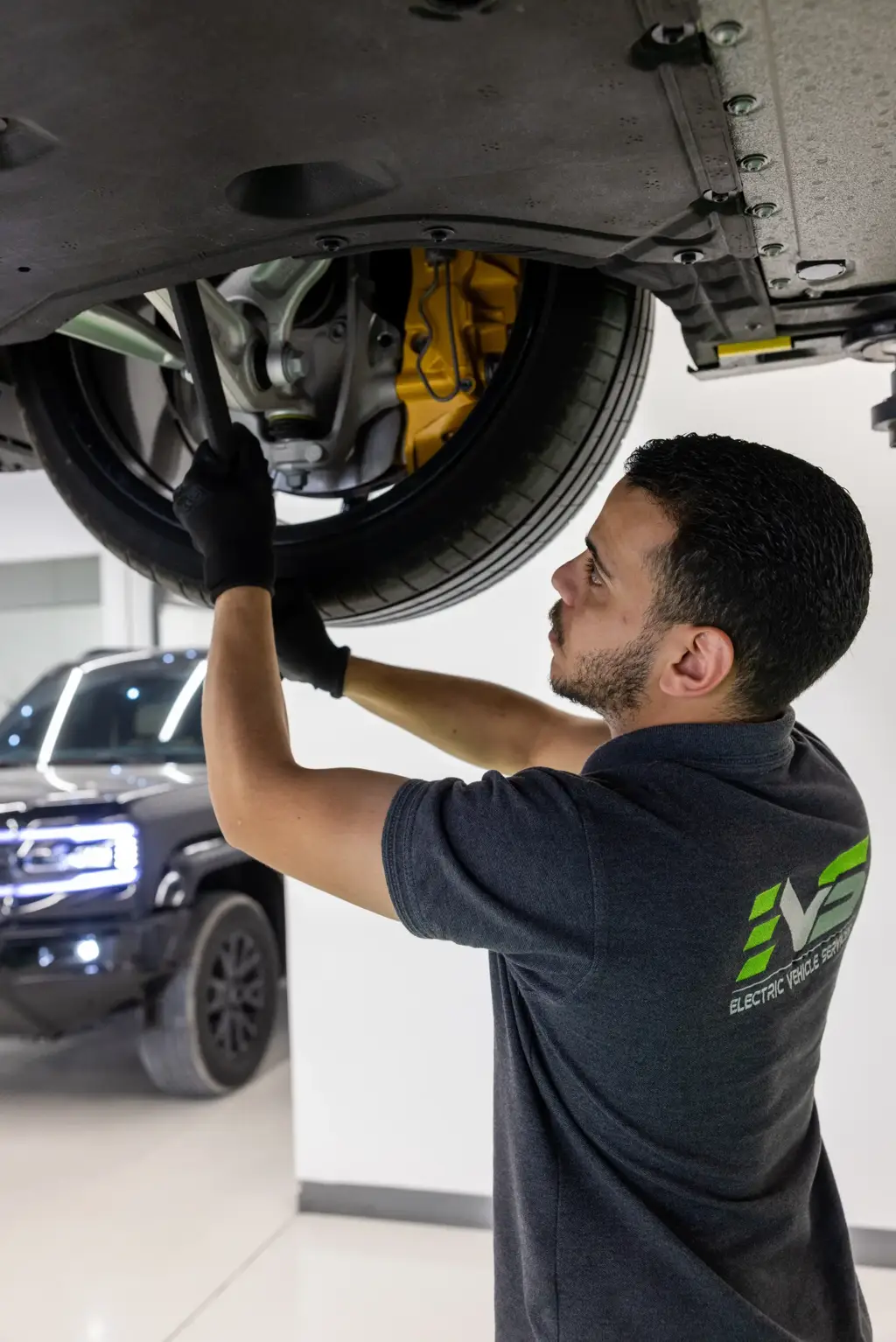
Electric vehicles offer smooth acceleration, lower emissions, and modern engineering benefits, but they also come with unique challenges due to the added weight of their battery packs. One of the most commonly overlooked areas is proper tire alignment and balancing. Because EVs are heavier than traditional cars—especially in the undercarriage where the battery is located—precision in alignment and balance is essential for maintaining performance, safety, and energy efficiency.
In this article, we explore why alignment and balancing are vital for EVs, how battery weight affects tires and suspension, and the best maintenance practices for long-term performance.
Why Tire Alignment and Balancing Are Crucial for EVs
Tire alignment ensures that each wheel meets the road at the correct angle, while balancing ensures weight is evenly distributed around the tire and wheel assembly. These factors directly impact handling, tire wear, and overall energy efficiency. With EVs, poor alignment or imbalance can lead to rapid tire degradation, uneven tread wear, and reduced regenerative braking effectiveness, which relies on stable wheel contact.
The Impact of Battery Weight on EV Suspension and Tires
EV batteries add substantial weight to the vehicle chassis, often positioned low and centered to improve stability. However, this mass changes suspension dynamics and increases pressure on tires, especially during braking, cornering, and quick acceleration. Misalignment under these conditions can amplify uneven wear and reduce the lifespan of both tires and suspension components. Pulling to one side or vibration at certain speeds may indicate battery weight– induced misalignment.
How Alignment Works and Signs It’s Off
Alignment involves adjusting three key angles: camber, caster, and toe. These adjustments rely on advanced digital tools and must be calibrated to EV-specific manufacturer settings. Common signs that your alignment is off include drifting when driving straight, a misaligned steering wheel, or uneven tire wear. Timely alignment corrections improve steering response, tire longevity, and overall driving safety—especially for torque-heavy EVs.
Balancing EV Tires: What’s Different?
EV tires are exposed to higher torque levels and often have reinforced sidewalls to support added weight. This makes precise balancing essential. Modern balancing machines identify weight differences and indicate where counterweights should be applied. For EVs, precise balancing prevents vibrations that can affect ride comfort and potentially impact sensors and advanced driver assistance systems.
Recommended Maintenance Intervals for Alignment and Balancing
Most EV manufacturers recommend checking alignment every 10,000 to 12,000 kilometers, or earlier if you notice handling issues. Tire balancing should be done with every rotation or new tire installation. Because EVs are heavier, tire rotation intervals may also be shorter to prevent excessive wear on specific tires. Regular checks ensure optimal performance and long-term savings.
Choosing the Right EV-Friendly Service Center
Not all service centers are equipped to meet the needs of an EV. Look for facilities with laser-guided alignment tools and technicians trained in EV suspension geometry and weight distribution. These specialists understand battery mass effects, regenerative braking patterns, and chassis calibration—ensuring accurate and safe adjustments.
Final Advice for Smooth and Safe EV Driving
Driving an EV offers many benefits, but it also requires proactive maintenance. Regular alignment and balancing help maintain smooth handling, extend tire life, and ensure consistent performance. Monitoring for early signs of misalignment or imbalance prevents costly repairs while supporting safer and more efficient driving.
FAQs About Tire Alignment and Balancing for EVs
Q: Do EVs need more frequent alignment than gas-powered cars?
Yes. Due to battery weight and stronger torque delivery, EVs benefit from more regular alignment checks.
Q: Can misalignment affect EV battery range?
Indirectly, yes. Misaligned wheels increase rolling resistance, which reduces efficiency and range.
Q: How do I know if my EV tires are unbalanced?
Look for vibrations at certain speeds, uneven tire wear, or wobbling sensations. Balancing typically fixes these issues.
Q: Should I balance my EV tires when switching between seasonal tire sets?
Absolutely. Every tire change is the perfect time to re-balance for optimal safety and performance.
FAQ
EVs are heavier and deliver more torque than traditional vehicles. This makes wheels more prone to misalignment, which can quickly damage tires and affect efficiency.
Balancing should be done with every rotation or when installing new tires. EV-specific weight and torque make routine balancing essential.
Yes. Regenerative braking relies on consistent wheel contact. Poor alignment can reduce braking efficiency and increase energy loss.
Yes. Switching to winter, summer, or performance tires is always a good time to re-balance to maintain stability and safety.