

Why GCC Compliance Matters for Electric Vehicles | EVS UAE
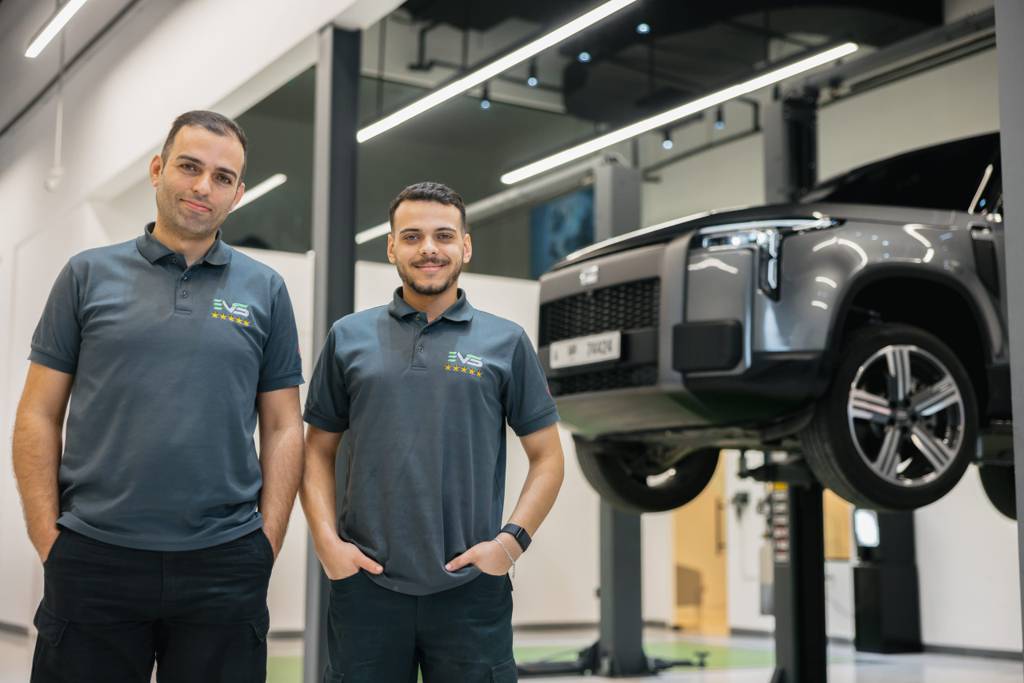
Electric vehicles are rapidly gaining popularity across the Gulf region as governments and consumers embrace cleaner, smarter mobility. However, before an EV can be safely driven on GCC roads, it must meet specific regional standards. GCC compliance ensures that vehicles are adapted to the climate, infrastructure, and safety requirements of the Gulf. For EV owners in the UAE, understanding compliance is not just about legal approval—it is about safety, reliability, and long-term vehicle performance.
Understanding GCC Standards for the Automotive Industry
The Gulf Cooperation Council (GCC) has developed a set of technical regulations to ensure that vehicles are safe and suitable for the region. These standards cover a wide range of factors, including emissions, safety systems, durability, and performance in extreme heat. For electric vehicles, compliance ensures that technology designed in other markets is adapted to meet the unique challenges of the Gulf environment.
Safety Regulations Specific to EVs in the Gulf
Electric vehicles must pass rigorous safety checks to comply with GCC standards. These include testing for battery performance, insulation protection, and fire resistance under high temperatures. Since the UAE experiences extreme summer heat, compliance ensures that batteries and electrical systems can operate safely in local conditions. Without these checks, EVs may face higher risks of overheating or electrical failure.
How Compliance Protects Drivers and Communities
GCC compliance protects not only the driver but also passengers and surrounding communities. By enforcing strict safety requirements, authorities reduce the risk of accidents caused by electrical malfunctions or insufficient system protection. Compliance also ensures that charging infrastructure is compatible with certified vehicles, reducing the chance of failures when using public charging stations.
Environmental and Efficiency Benefits of GCC Standards
The region is committed to sustainability and lowering emissions. Compliance ensures that EVs contribute effectively to these goals by meeting energy efficiency benchmarks. Vehicles that pass GCC requirements demonstrate that they can operate efficiently in the Gulf climate while delivering the environmental benefits EVs are known for. This gives consumers confidence that their choice of vehicle aligns with both personal and regional sustainability targets.
The Challenges of Meeting GCC Compliance for EVs
Many EVs are designed for markets in Europe, North America, or Asia. While these models meet international standards, they may not be automatically certified for GCC use. Adapting vehicles to meet local standards can require additional testing or modifications. Owners who import EVs from abroad must ensure that their vehicles are inspected and certified to avoid road approval issues in the UAE.
Why Compliance Is Important for UAE EV Owners
Driving a non-compliant vehicle in the UAE can lead to legal complications, insurance issues, and safety risks. For owners, ensuring compliance is also about peace of mind. Certified vehicles are better equipped to handle the demands of the UAE’s roads and climate, making them safer and more reliable in the long term. Compliance also increases resale value, as certified vehicles are more attractive to buyers in the region.
How EVS Supports GCC-Compliant Servicing and Inspections
At EVS, we specialize in helping UAE EV owners navigate the compliance process. Our services include:
- Motor and battery diagnostics to ensure vehicles meet GCC safety standards.
- Inspection services that prepare EVs for official certification.
- Software and hardware checks to align vehicles with GCC requirements.
- Advisory support for imported EVs that need modifications before approval.
With EVS, owners can be confident that their vehicles meet regional regulations while maintaining performance and safety.
Final Thoughts on the Role of GCC Standards in EV Growth
As the adoption of electric vehicles accelerates in the Gulf, compliance with GCC standards is becoming increasingly important. It guarantees safety, ensures efficiency, and builds trust in the transition to sustainable mobility. For EV owners in the UAE, working with specialists like EVS ensures that vehicles not only meet regulatory requirements but also deliver the performance and reliability drivers expect.
FAQs on GCC Compliance for Electric Vehicles
It means that the vehicle has passed safety, efficiency, and durability checks specific to Gulf region conditions.
You can, but the vehicle must undergo testing and certification before being legally approved for use.
Because the Gulf’s high temperatures and unique road conditions require additional safety and performance checks.
GCC-compliant vehicles are easier to sell in the region and often command higher resale prices.
EVS provides diagnostics, inspections, and servicing to ensure EVs meet GCC standards and are ready for certification.