

The Role of Renewable Energy in EV Charging: What You Need to Know in 2026
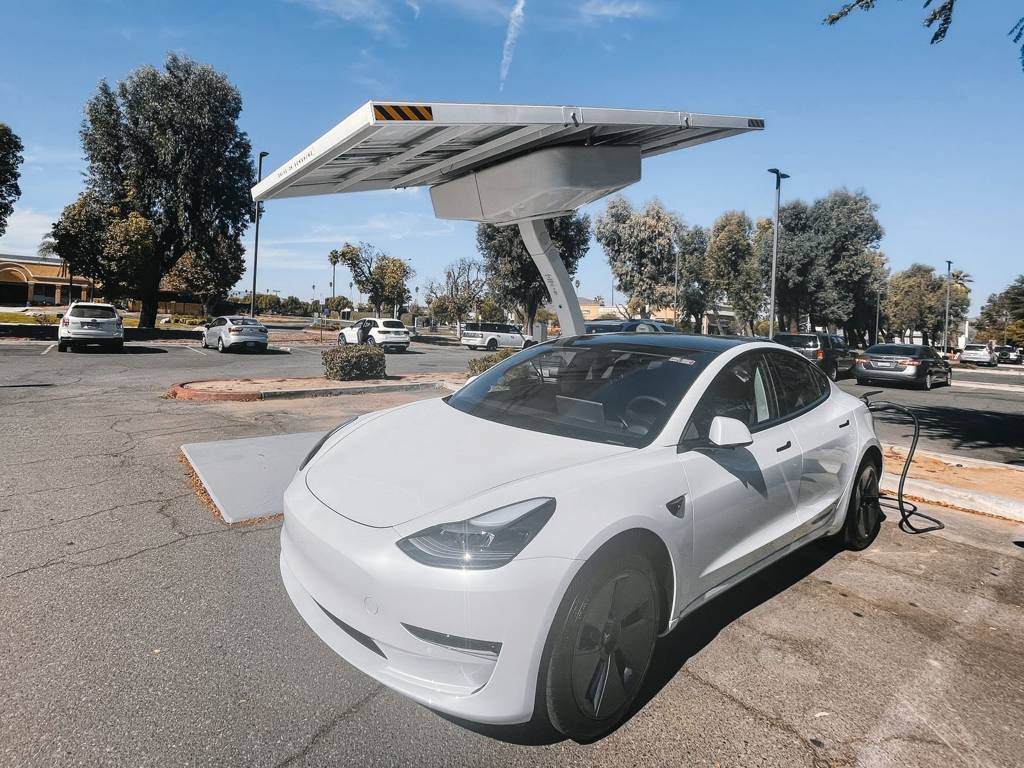
The shift towards electric vehicles (EVs) is not just a trend; it’s a crucial part of our response to climate change and the need for sustainable transport solutions. In 2026, the intersection of renewable energy and EV charging has become increasingly important, as more consumers and businesses are looking for eco-friendly options. This article explores the role of renewable energy EV charging 2026 and how these two sectors are converging to create a more sustainable future.
The Growing Importance of Renewable Energy
As we move deeper into 2026, the importance of renewable energy sources like solar, wind, and hydropower cannot be overstated. These resources are not only essential for reducing greenhouse gas emissions but also for ensuring a sustainable energy supply for the growing number of electric vehicles on the roads today.
Current Trends in Renewable Energy
The renewable energy sector has seen significant advancements and investments in recent years. Here are some of the key trends shaping the landscape in 2026:
- Increased Capacity: The global capacity for renewable energy has expanded dramatically, with solar and wind energy leading the charge. According to recent reports, solar energy installations have increased by over 25% compared to the previous year.
- Technological Advancements: Innovations in energy storage technology, such as more efficient batteries and smart grid solutions, are making it easier to harness renewable energy for EV charging.
- Government Incentives: Many governments worldwide are offering incentives for both renewable energy installations and electric vehicle purchases, making them more accessible to the average consumer.
These trends are crucial as they create a more favorable environment for integrating renewable energy into EV charging infrastructure.
The Relationship Between Renewable Energy and EV Charging
The relationship between renewable energy and EV charging is symbiotic. As the demand for electric vehicles increases, so does the need for sustainable charging solutions. Here’s how renewable energy is impacting EV charging options:
1. Clean Energy for Charging Stations
Many charging stations are now being powered directly by renewable energy sources. This means that when you plug in your EV, you can charge it with energy generated from solar panels or wind turbines, significantly reducing your carbon footprint.
- Solar-Powered Charging Stations: These stations are equipped with solar panels that generate electricity to charge EVs. They can be installed in various locations, including parking lots and highways, providing a sustainable solution for drivers.
- Wind-Powered Charging: Wind farms can supply energy to charging stations, especially in areas with high wind potential. This is particularly effective in regions where solar energy might not be as viable due to weather conditions.
2. Energy Storage Solutions
Energy storage systems, such as batteries, play a crucial role in the renewable energy landscape. They allow for the storage of excess energy generated during peak production times, which can then be used to charge EVs when demand is high.
- Battery Storage Systems: These systems can store energy from renewable sources and release it during peak hours, ensuring that charging stations have a constant supply of clean energy.
- Vehicle-to-Grid Technology: This innovative technology allows EVs to not only draw energy from the grid but also supply energy back when needed. This two-way flow can help balance the energy demand and supply, making renewable energy utilization more efficient.
3. Smart Charging Solutions
The integration of smart technology into EV charging is another area where renewable energy is making a significant impact. Smart charging solutions can optimize the use of renewable energy by adjusting charging times based on energy availability.
- Dynamic Pricing Models: These models can incentivize EV owners to charge their vehicles during times when renewable energy is abundant, further promoting the use of clean energy.
- Load Management: Smart chargers can manage the load on the grid, ensuring that renewable energy is used effectively without overloading the system.
Challenges in Integrating Renewable Energy with EV Charging
While the benefits of integrating renewable energy into EV charging are clear, there are several challenges that need to be addressed:
1. Infrastructure Development
The existing charging infrastructure in many regions may not be equipped to handle the influx of renewable energy sources. Upgrading these systems can be costly and time-consuming, requiring significant investment from both public and private sectors.
2. Energy Supply and Demand Mismatch
Renewable energy generation can be intermittent, leading to potential mismatches between energy supply and EV charging demand. For instance, solar energy production peaks during the day, while many EVs are charged during the evening. This requires effective energy storage solutions to ensure a consistent supply.
3. Initial Costs
While renewable energy systems can save money in the long run, the initial costs of installation can deter businesses and individuals from making the switch. Incentives and subsidies are essential to encourage the adoption of renewable energy for EV charging.
The Future of Renewable Energy EV Charging
Looking ahead, the future of renewable energy in EV charging appears promising. Here are some potential developments we can expect in the coming years:
1. Increased Adoption of Solar Canopies
As more businesses and municipalities recognize the benefits of solar energy, we can expect to see an increase in solar canopies over parking lots and charging stations. These structures not only provide shade for vehicles but also generate clean energy for charging.
2. Expansion of Charging Networks
The growth of renewable energy EV charging will likely lead to the expansion of charging networks, particularly in urban areas. This will make it easier for EV owners to find charging stations powered by renewable sources, further promoting the adoption of electric vehicles.
3. Integration of AI and IoT
Artificial intelligence (AI) and the Internet of Things (IoT) will play a significant role in optimizing renewable energy use in EV charging. Smart systems can analyze data to predict charging demand and adjust energy distribution accordingly, ensuring that renewable energy is used efficiently.
4. Policy and Regulatory Support
Governments are increasingly recognizing the importance of sustainable energy solutions. We can expect more robust policies and regulations aimed at promoting renewable energy adoption in the EV sector, including incentives for both consumers and businesses.
Conclusion
In 2026, the integration of renewable energy into EV charging is transforming the way we think about transportation and sustainability. As the demand for electric vehicles continues to rise, so does the need for clean, renewable energy solutions. By investing in renewable energy infrastructure and embracing innovative technologies, we can pave the way for a more sustainable future.
If you’re considering making the switch to electric vehicles or want to learn more about how renewable energy can power your charging needs, now is the time to act. Explore your options and make a commitment to sustainability today.
Frequently Asked Questions (FAQs)
1. What types of renewable energy are used for EV charging?
Renewable energy sources such as solar, wind, and hydropower are commonly used for EV charging. Solar panels can be installed at charging stations, and wind turbines can provide energy in suitable locations.
2. Can I charge my EV with solar energy at home?
Yes, homeowners can install solar panels to generate electricity for charging their electric vehicles. This not only reduces energy costs but also minimizes carbon emissions.
3. What are the benefits of using renewable energy for EV charging?
Using renewable energy for EV charging reduces greenhouse gas emissions, promotes energy independence, and can lower electricity costs in the long run. It also supports the transition to a more sustainable energy system.
4. How does smart charging work with renewable energy?
Smart charging systems can optimize charging times based on the availability of renewable energy. They can adjust charging rates and times to align with periods of high renewable energy production, ensuring efficient energy use.
5. Are there government incentives for renewable energy EV charging?
Many governments offer incentives and subsidies for renewable energy installations and electric vehicle purchases. These can include tax credits, rebates, and grants aimed at promoting sustainable energy solutions.
For more information on how to integrate renewable energy into your EV charging solutions, visit [your service landing page URL]. Start your journey towards a sustainable future today!