

Understanding the Latest EV Charging Infrastructure Developments in the UAE
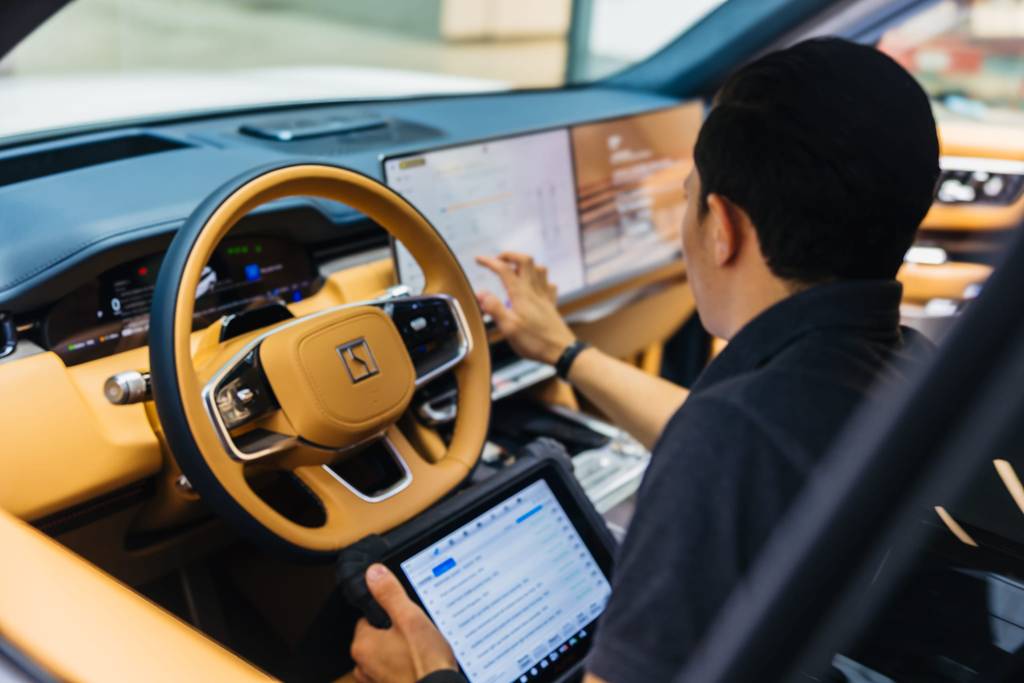
The United Arab Emirates (UAE) is rapidly evolving into a hub for electric vehicles (EVs), with significant investments being made in the EV charging infrastructure in the UAE 2026. As the demand for sustainable transportation grows, the UAE has positioned itself at the forefront of this movement, implementing innovative solutions and policies that support the growth of electric mobility. In this article, we will explore the latest developments in EV charging infrastructure, the technologies involved, government initiatives, and what the future holds for electric vehicles in the region.
The Growing Demand for Electric Vehicles
The global shift towards electric vehicles is not just a trend; it’s a necessity driven by environmental concerns and the need for sustainable energy solutions. In the UAE, the government has set ambitious targets to reduce carbon emissions and promote clean energy. As a result, the demand for EVs has surged, with many residents and businesses transitioning to electric models.
Factors Driving EV Adoption in the UAE
- Government Incentives: The UAE government has introduced various incentives to encourage EV adoption, including tax exemptions, reduced registration fees, and free charging.
- Environmental Awareness: Increased awareness of climate change and the environmental impact of fossil fuels has led consumers to consider greener alternatives.
- Technological Advancements: Improvements in battery technology, such as longer ranges and faster charging times, have made EVs more appealing to a broader audience.
Current State of EV Charging Infrastructure in the UAE
As of 2026, the EV charging infrastructure in the UAE has made significant strides. Several key players have entered the market, providing a robust network of charging stations across the country. The infrastructure is not only expanding in quantity but also improving in quality, offering various charging solutions to meet the needs of different users.
Types of Charging Stations
- Home Charging Stations: Many EV owners opt for home charging solutions, allowing them to charge their vehicles overnight. This convenience is a significant factor for many consumers.
- Public Charging Stations: The number of public charging stations has increased dramatically, with installations in shopping malls, hotels, and public parking areas.
- Fast Charging Stations: Fast chargers are strategically located along highways and major routes, enabling long-distance travel without range anxiety. These stations can charge a vehicle up to 80% in about 30 minutes.
Key Players in the EV Charging Market
- DEWA (Dubai Electricity and Water Authority): DEWA has been a pioneer in establishing charging stations across Dubai, offering a network of over 300 charging points.
- Abu Dhabi’s Department of Energy: This body has launched initiatives to expand the charging infrastructure in Abu Dhabi, focusing on sustainable energy solutions.
- Private Companies: Several private companies have entered the market, providing innovative charging solutions and partnerships with local businesses to enhance accessibility.
Technological Innovations in EV Charging
The advancements in EV charging technology are pivotal to the growth of electric mobility in the UAE. As we look into 2026, several key innovations are shaping the future of EV charging.
Smart Charging Solutions
Smart charging technology allows for optimized energy distribution, reducing costs and environmental impact. Features include:
- Dynamic Load Management: This technology adjusts the charging speed based on the grid's demand, ensuring that energy is used efficiently.
- Mobile Apps: Many charging stations now offer mobile applications that allow users to locate available chargers, check charging speeds, and even reserve a charging slot in advance.
Wireless Charging Technology
Although still in the early stages of implementation, wireless charging technology is being explored in the UAE. This technology allows EVs to charge without plugging in, using electromagnetic fields to transfer energy. This could revolutionize the way EV owners charge their vehicles, making it more convenient and user-friendly.
Battery Technology Improvements
The development of more efficient batteries is crucial for the EV market. Innovations such as solid-state batteries promise to offer greater energy density, faster charging times, and improved safety. As these technologies become mainstream, they will significantly impact the EV charging infrastructure, as vehicles will require less frequent charging.
Government Initiatives Supporting EV Charging Infrastructure
The UAE government has been proactive in supporting the growth of EV charging infrastructure through various initiatives and regulations. These efforts are essential to achieving the country’s sustainability goals.
National Electric Vehicle Strategy
In 2026, the UAE launched a comprehensive national strategy aimed at increasing the number of electric vehicles on the road. Key components include:
- Investment in Infrastructure: The government plans to invest heavily in expanding the charging network, ensuring that it is accessible to all residents.
- Partnerships with Private Sector: Collaborations with private companies to enhance the charging infrastructure and introduce innovative solutions.
- Regulatory Framework: Establishing clear regulations that facilitate the installation of charging stations in residential and commercial properties.
Sustainable Transportation Initiatives
The UAE’s focus on sustainable transportation is evident in its various initiatives:
- Green Mobility Program: This program promotes the use of electric and hybrid vehicles through incentives and public awareness campaigns.
- Research and Development: Investment in R&D to explore new technologies and solutions for EV charging and battery management.
The Future of EV Charging Infrastructure in the UAE
Looking ahead, the future of EV charging infrastructure in the UAE appears bright. With ongoing investments and advancements in technology, several trends are expected to shape the landscape.
Expansion of Charging Networks
As the demand for electric vehicles continues to rise, we can expect a significant expansion of the charging network. This includes:
- Increased Number of Charging Stations: More charging stations will be installed in urban areas, highways, and rural regions, making EVs more accessible to all.
- Integration with Renewable Energy: Future charging stations are likely to incorporate renewable energy sources, such as solar panels, to reduce reliance on the grid and lower emissions.
Enhanced User Experience
The user experience for EV owners will continue to improve through:
- Seamless Payment Solutions: The introduction of universal payment systems that allow users to pay for charging across different networks with a single app or card.
- Real-time Data Access: Enhanced mobile applications that provide real-time information on charging station availability, wait times, and charging speeds.
Policy Evolution
As the EV market matures, we can anticipate further policy developments that support sustainable transportation:
- Incentives for Businesses: More incentives for businesses to install charging stations on their premises, encouraging the adoption of electric vehicles among employees.
- Regulatory Support for New Technologies: Easing regulations to allow for the experimentation and implementation of new charging technologies, such as wireless charging.
Challenges Facing EV Charging Infrastructure
While the future looks promising, several challenges need to be addressed to ensure the successful expansion of EV charging infrastructure in the UAE.
Infrastructure Investment
Significant investment is required to establish a comprehensive network of charging stations. This includes not only the installation of chargers but also the necessary upgrades to the electrical grid to support increased demand.
Public Awareness and Education
Many consumers still lack awareness of the benefits of electric vehicles and the availability of charging infrastructure. Public education campaigns will be crucial in promoting electric mobility and encouraging adoption.
Standardization of Charging Solutions
The lack of standardization in charging connectors and payment systems can create confusion for users. Establishing universal standards will be essential for ensuring a seamless experience for EV owners.
FAQ Section
What is the current state of EV charging infrastructure in the UAE?
As of 2026, the UAE has made significant investments in EV charging infrastructure, with a growing network of public and private charging stations across the country. Major cities like Dubai and Abu Dhabi are leading the way with hundreds of charging points installed in various locations.
How does the UAE government support electric vehicle adoption?
The UAE government supports electric vehicle adoption through various initiatives, including financial incentives for EV buyers, investment in charging infrastructure, and partnerships with private companies to enhance the network of charging stations.
What types of charging stations are available in the UAE?
The UAE offers several types of charging stations, including home charging solutions, public charging stations in urban areas, and fast charging stations along major highways to facilitate long-distance travel.
What are the expected trends in EV charging infrastructure in the coming years?
Expected trends include the expansion of charging networks, integration with renewable energy sources, enhanced user experience through mobile apps, and continued policy evolution to support electric mobility.
Are there any challenges facing EV charging infrastructure in the UAE?
Yes, challenges include the need for substantial infrastructure investment, raising public awareness about electric vehicles, and the lack of standardization in charging solutions, which can create confusion for users.
Conclusion
The EV charging infrastructure in the UAE 2026 is undergoing transformative changes, driven by government initiatives, technological advancements, and a growing demand for electric vehicles. As the country continues to invest in sustainable transportation solutions, the future of electric mobility looks promising. For residents and businesses alike, embracing electric vehicles and the infrastructure that supports them will be essential in contributing to a greener, more sustainable future.
For more information on how you can be part of this electric mobility revolution or to explore available EV options, visit our website and discover the latest in electric vehicle solutions today!